Step Back in Time at the Pioneer Village
Experience the daily life, traditional crafts, and rugged architecture of early Brown County settlers right in the heart of Nashville, Indiana.
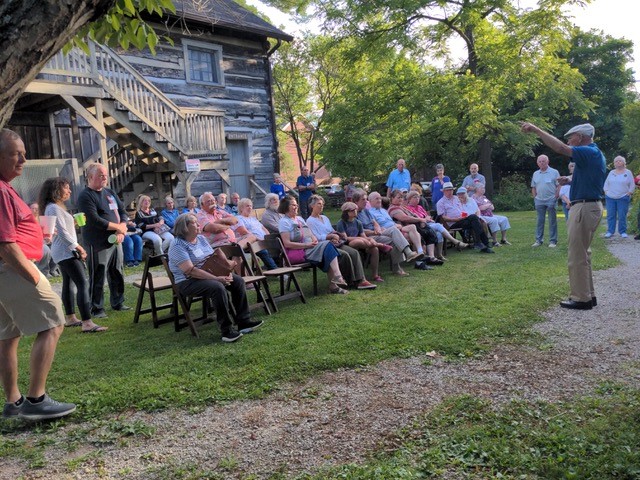
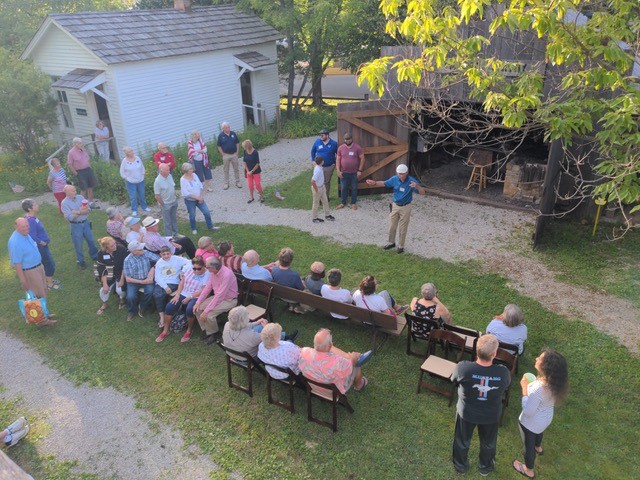
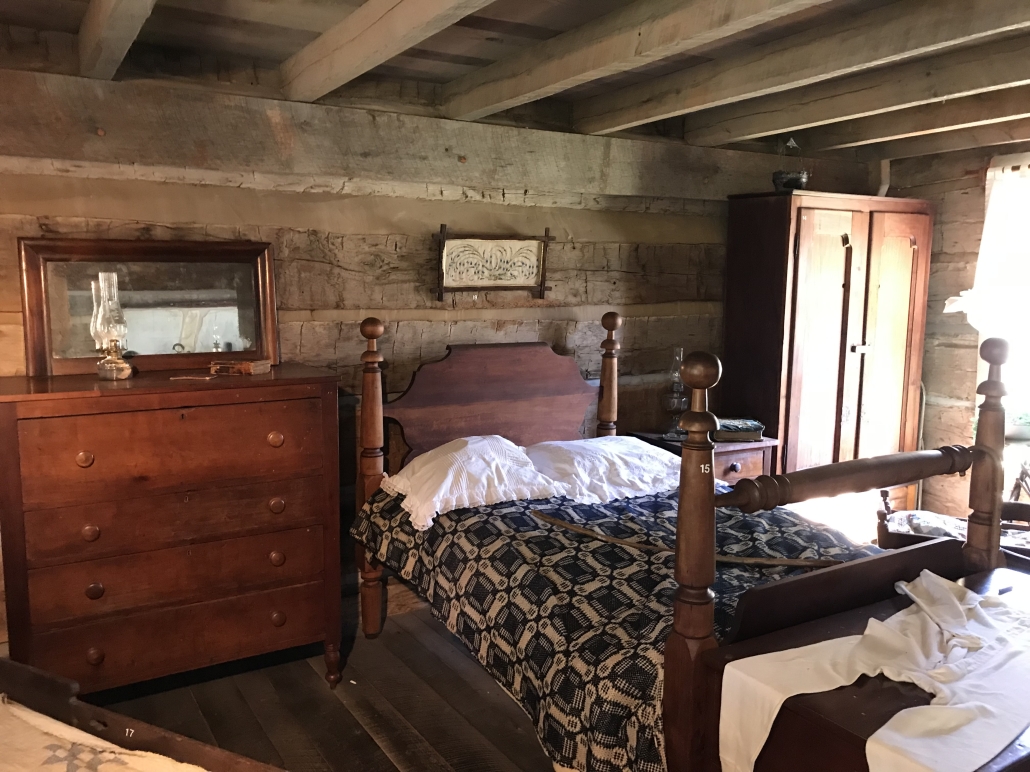
Located just outside the History Center, the Pioneer Village is an immersive outdoor museum carefully maintained by our passionate volunteers. The village features a remarkable collection of authentic 19th-century buildings that have been meticulously relocated and reconstructed on-site.
As you stroll the grounds, you will gain a profound appreciation for the ingenuity, resilience, and hard work required to build a life on the early Indiana frontier. From traditional domestic crafts to the rustic tools of essential tradesmen, the village brings Brown County’s earliest days back to life.
Friday – Sunday
11:30 AM – 3:30 PM
Stop by the History Center during your visit to learn more about guided tours and special living history demonstrations.
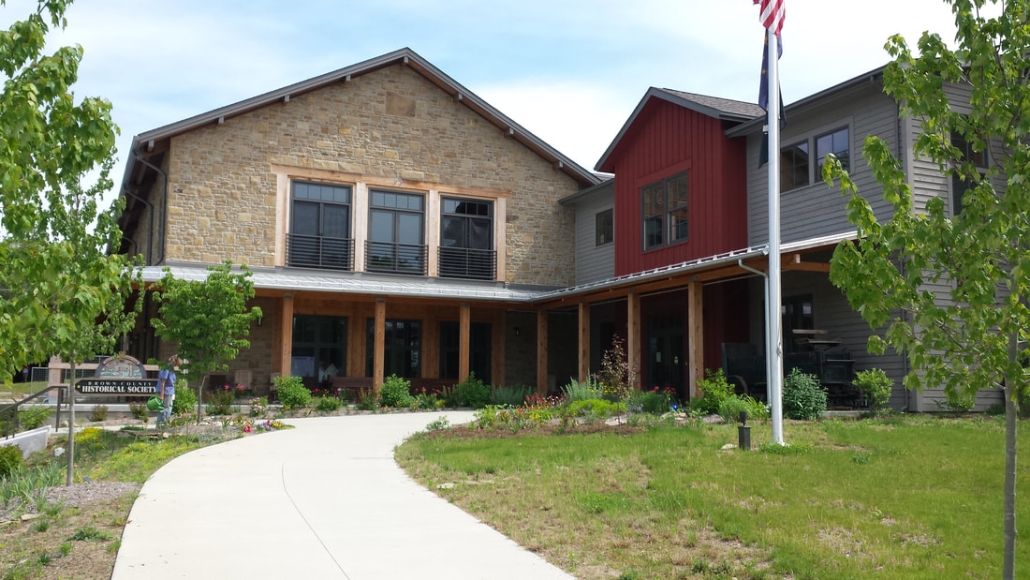
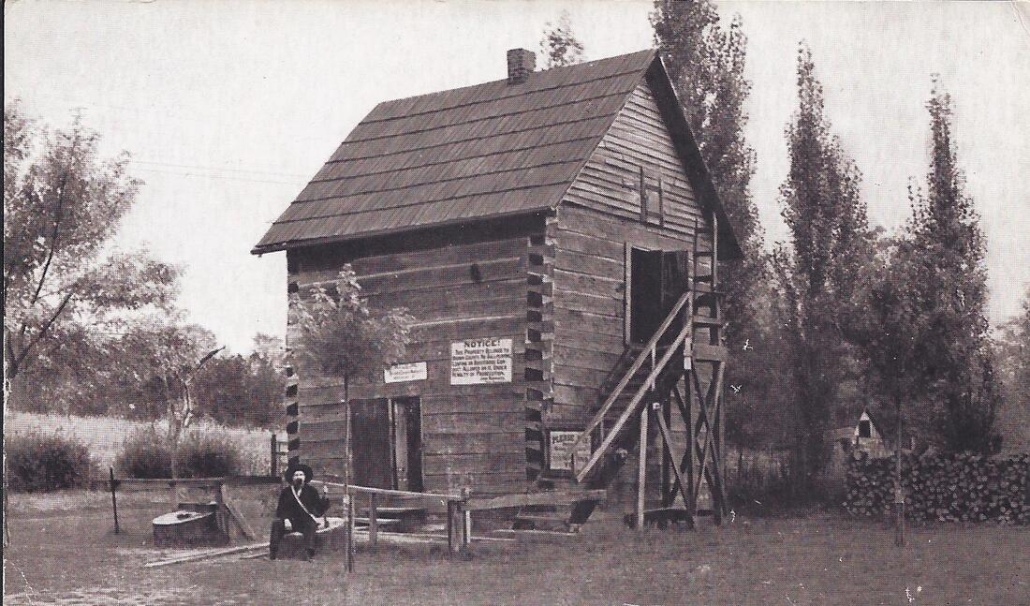
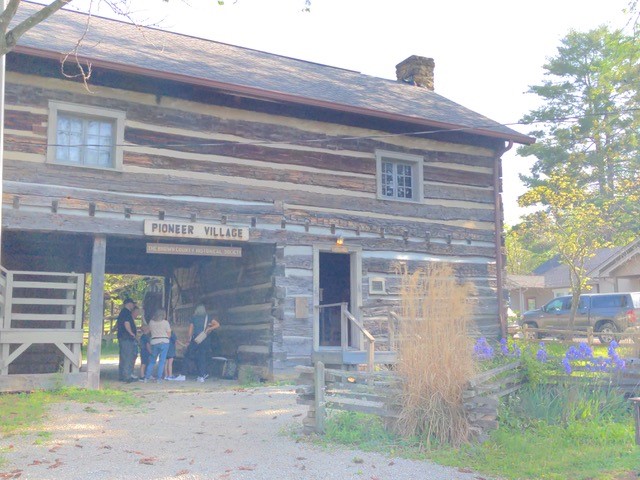
Originally constructed in 1837, this imposing two-story timber structure stands as a powerful testament to the harsh realities of maintaining frontier law and order.
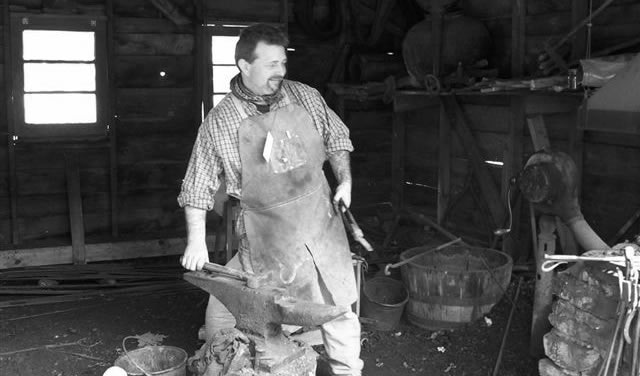
Explore essential pioneer commercial spaces, including an authentic 1850s blacksmith shop and an 1898 doctor’s office equipped with tools of the era.
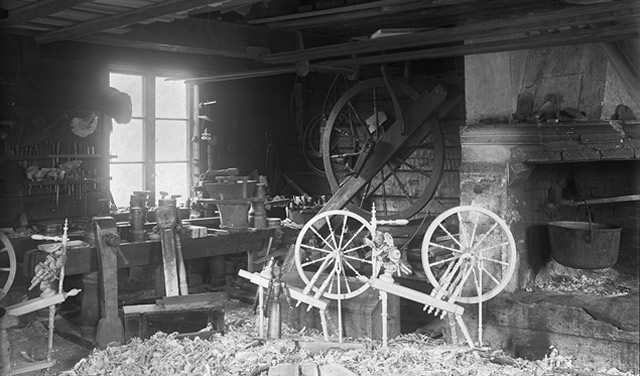
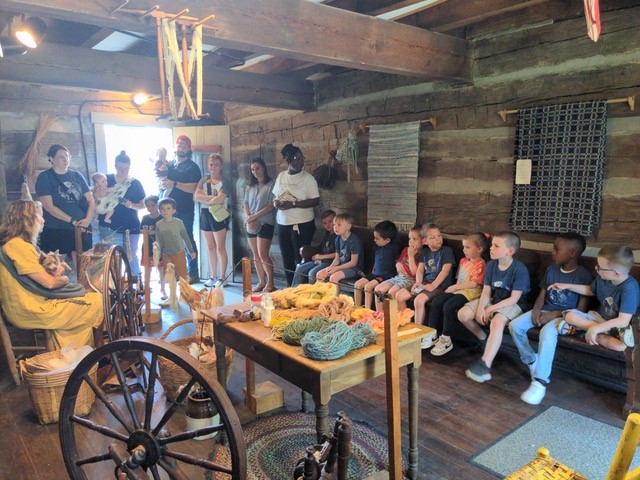
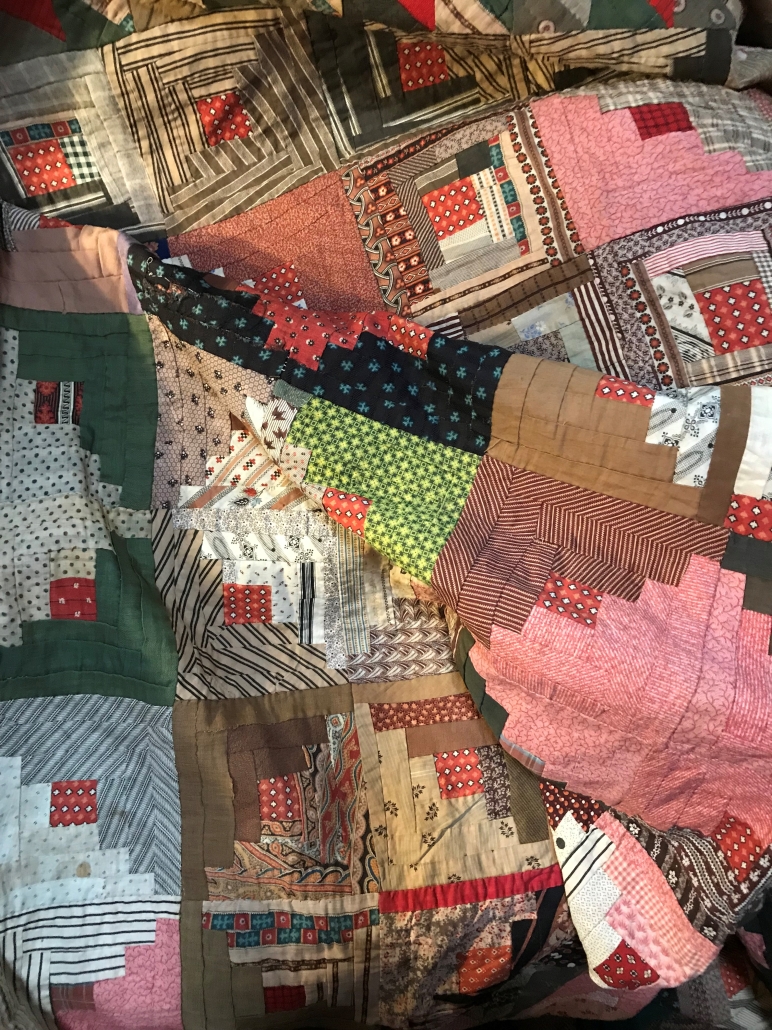
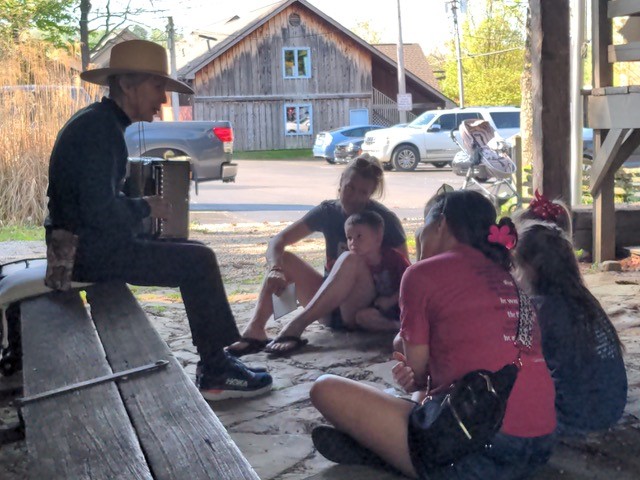
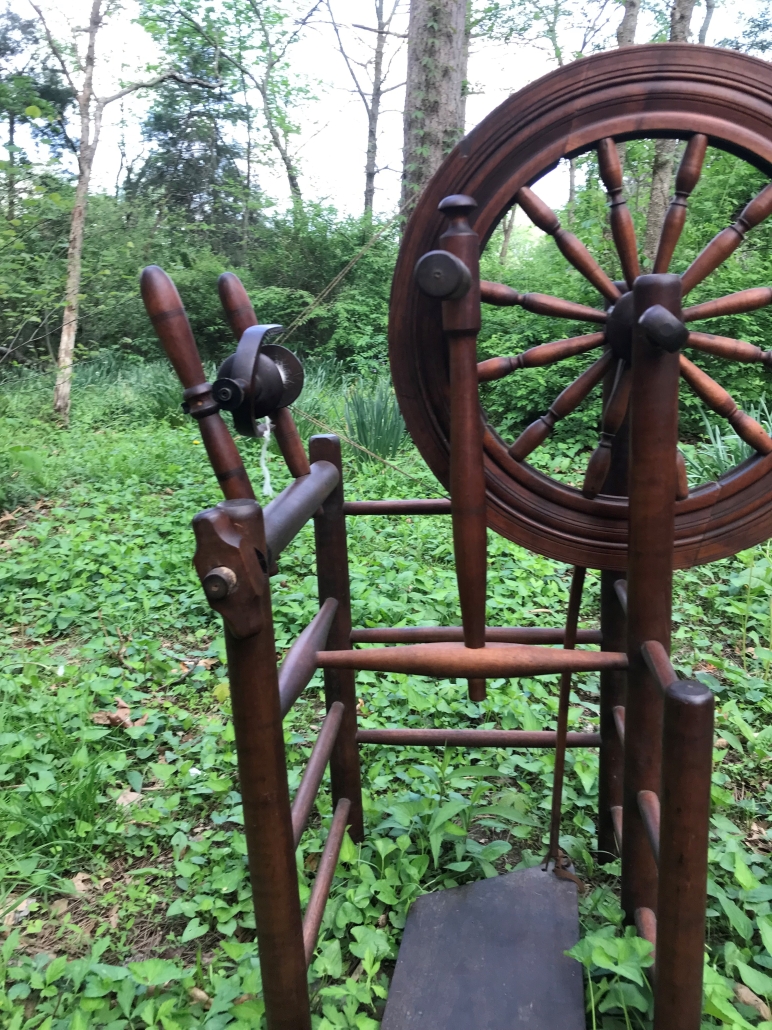
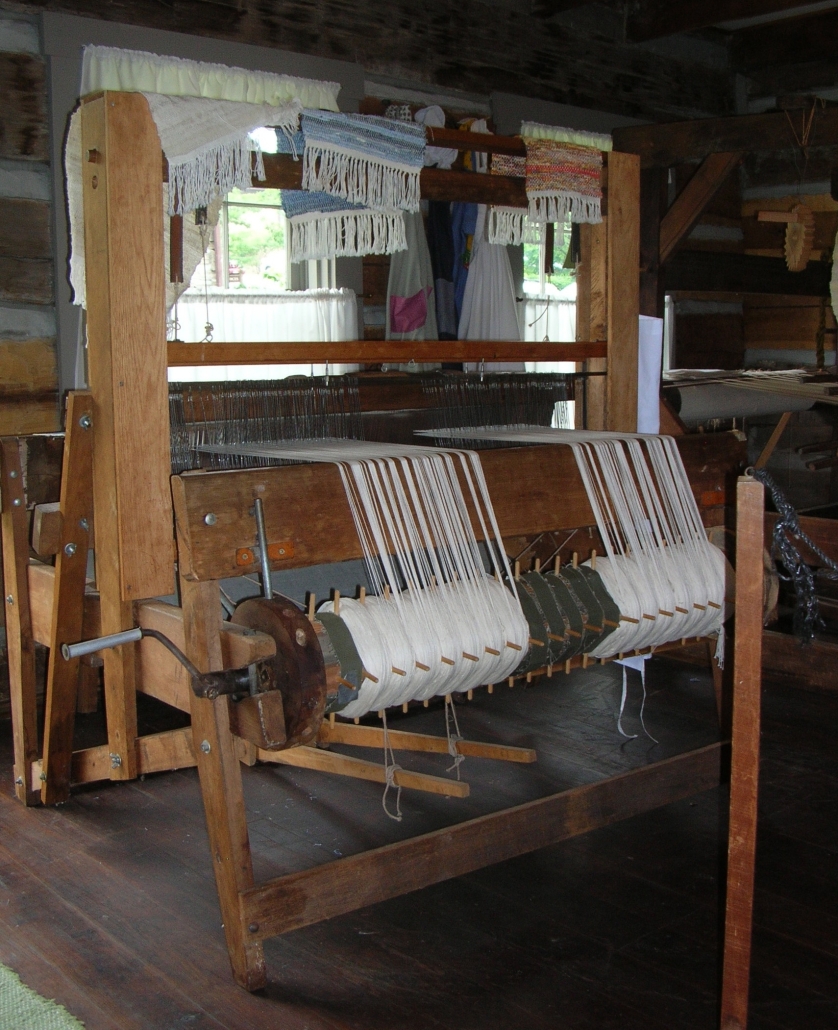
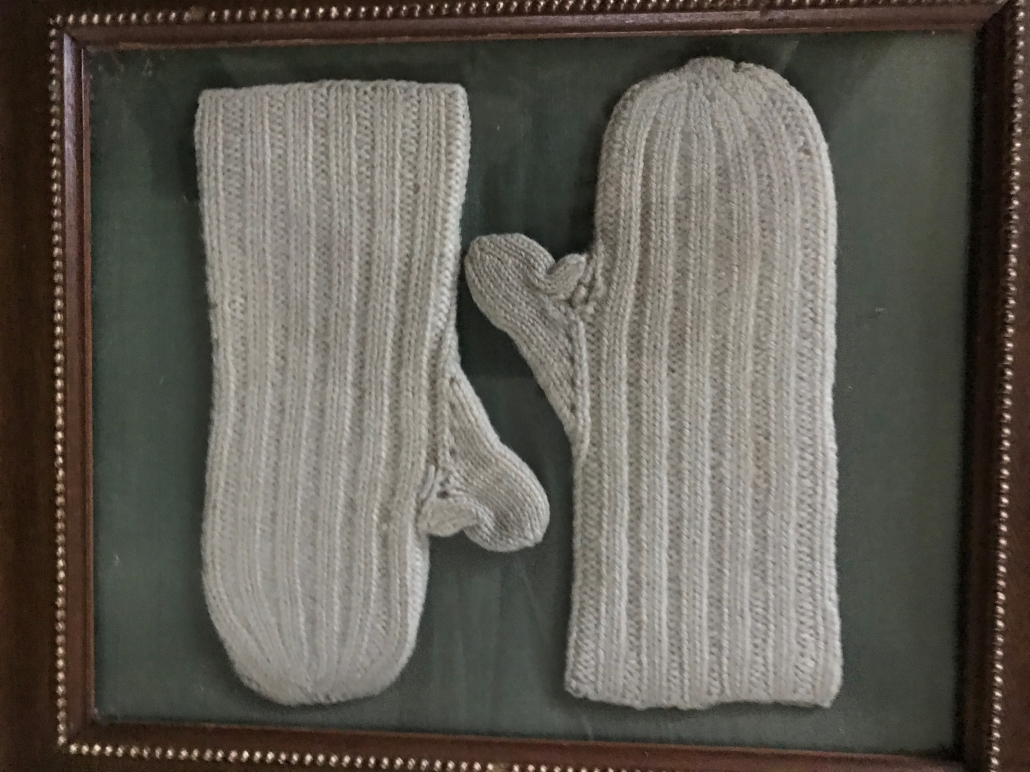
Witness history come alive through regular demonstrations by the Pioneer Women’s Club as they practice and teach domestic frontier crafts like spinning, weaving, and quilting.
The village paths are free to tour any day. The buildings themselves are open Saturdays and Sundays and holidays from 1:00 to 4:30pm. No admission is charged.
Our museum is a presentation of what an Indiana village of the mid to late 1800’s might have looked like. Although the buildings are identical in appearance and construction to those of the period, all but one were moved from other locations to the present site.
The buildings all are equipped with an audio docent. Please push the red buttons to hear the individual stories.
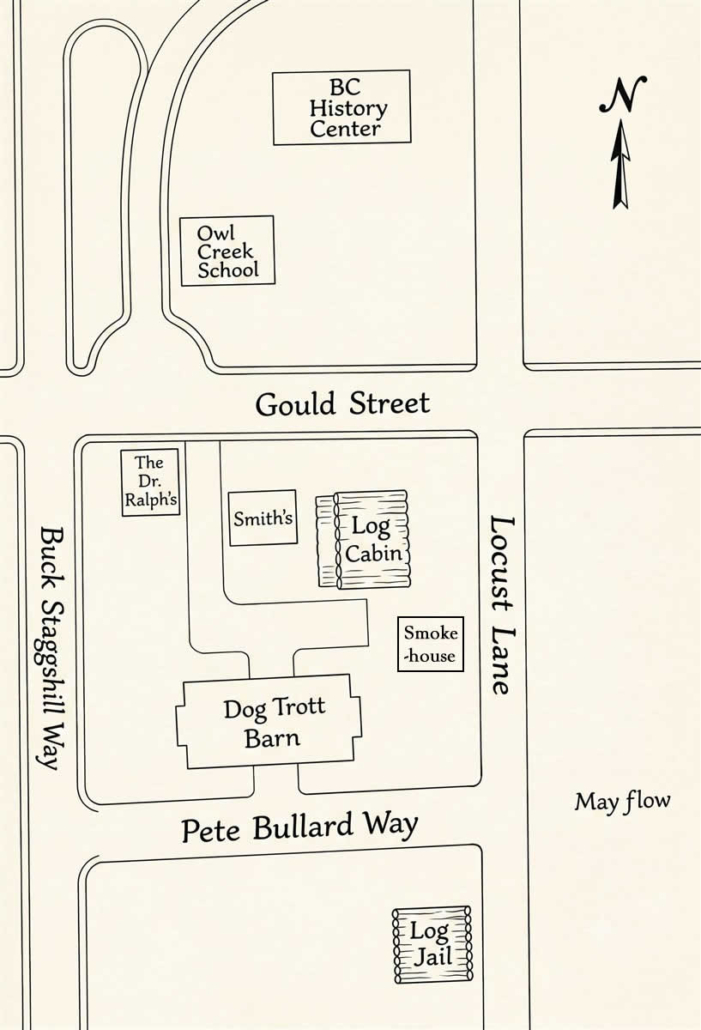
Click Map to Enlarge
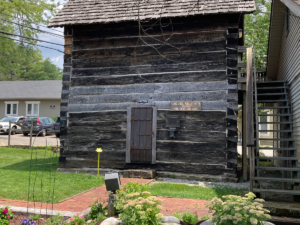
The only original building on the site, it was built in 1837, burned and rebuilt in 1879. It is made with two courses of 12 inch square cut logs laid horizontally with vertical boards sandwiched between giving a three foot total thickness..
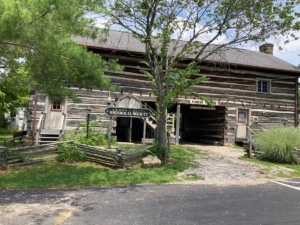
A two story structure with a pass thru dividing the first floor. It was built in 1836 and moved to Nashville by the WPA in 1937. The town used it for a community building until 1957 when ownership passed to The Historical Society.
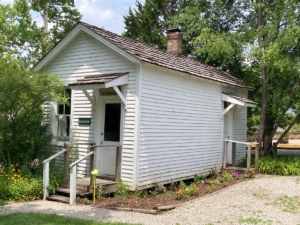
The actual building in which Dr. Alfred Ralphy practiced medicine from 1898 until his retirement in 1927. It was then locked and remained undisturbed until 1976 when it was moved to the Museum.
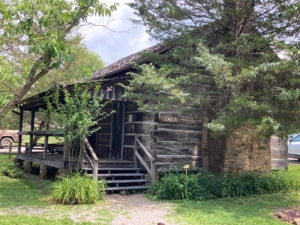
Built from logs gleaned from two 1844 cabins in Jackson County.
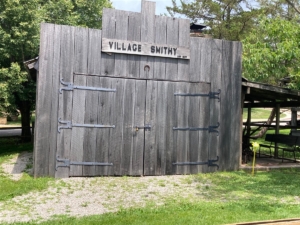
A relatively new construction but is modeled on a local shop that dated from 1836.
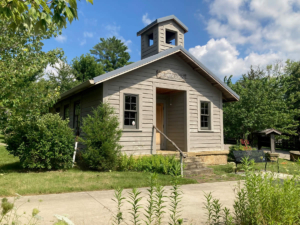
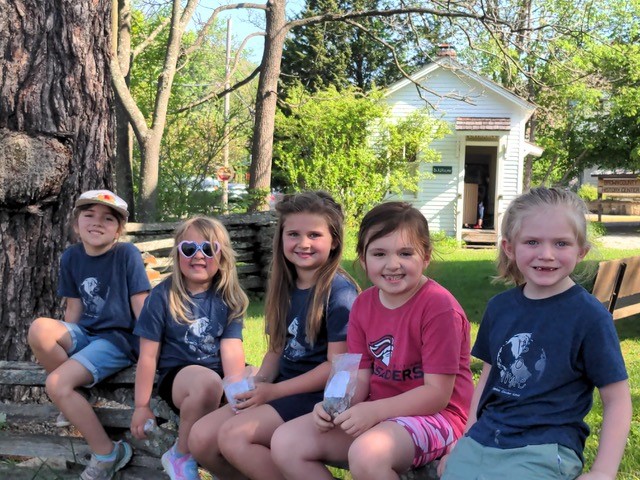
This building is of modern construction but is typical of one room schools of the mid 1800s. A teacher’s desk, student’s bench seats, blackboard, wood stove and a water bucket with dipper were standard equipment. All eight grades would have been taught in this single room.